-
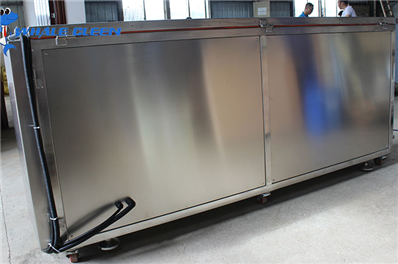 Advancements in Ultrasonic Cleaning Technology: Enhancing Efficiency and Effectiveness
Ultrasonic cleaning technology has undergone significant innovations in recent years, leading to improved performance and enhanced cleaning capabilities. This article explores the advancements in ultrasonic cleaning technology, highlighting key innovation
-
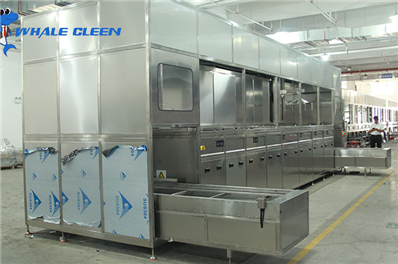 How to Choose a Fuel Injector Ultrasonic Cleaning Machine: A Practical Guide for Workshops and Engine Rebuilders
For automotive workshops, diesel service centers, and engine remanufacturing facilities, few problems are as common—and as frustrating—as clogged fuel injectors. Modern fuel injectors are precision components with microscopic spray holes (often 0.1–0.2 mm
-
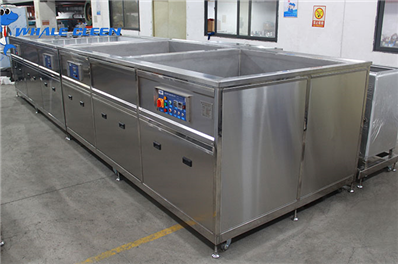 How to Choose a Fuel Injector Ultrasonic Cleaning Machine – A Practical Guide to Getting It Right
Fuel injectors are among the most precision-critical components in any modern engine. Over time, carbon deposits, varnish, and microscopic fuel residue accumulate inside the tiny orifices of the injector nozzle. These contaminants don't just reduce fu
-
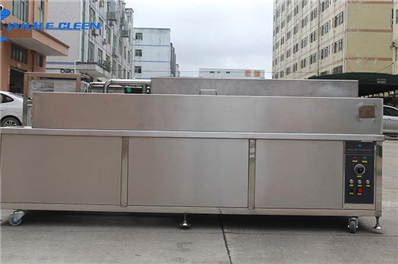 The main function and cleaning method of industrial ultrasonic cleaning machine
Ultrasonic cleaning is an effective cleaning method, and at the same time easy to achieve mechanization, and automation, for complex shapes and porous parts, compared with other cleaning methods have incomparable advantages. And can be used in the home, c
-
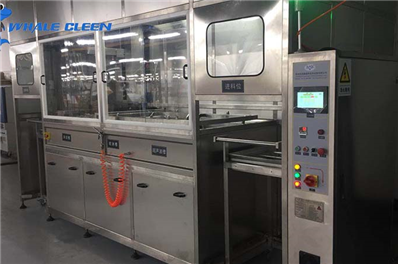 The function and maintenance of automatic ultrasonic cleaning machines to the market
Ultrasound is still a blind spot in China's high-tech industry, China's relatively authoritative experts also adhere to scientific research. Ultrasonic application has created great achievements: the emergence of ultrasonic cleaning equipment, Chi
-
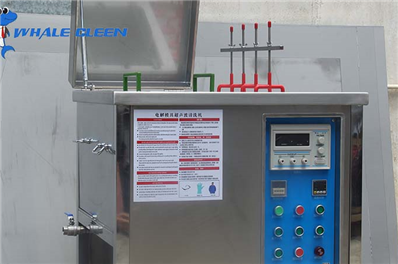 The advantages of vacuum hydrocarbon ultrasonic cleaning machine
A hydrocarbon cleaning machine should be the most environmentally friendly cleaning method to solvent for a hydrocarbon solvent, is a non-toxic and harmless environmental cleaning agent, no harm to the human body. The special vacuum system of hydrocarbon
-
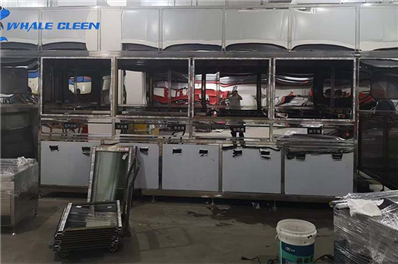 The application direction of ultrasonic cleaning technology in the automobile industry
With the rapid increase of automobile production and per capita automobile ownership in our country, the application prospect of green ultrasonic cleaning technology is very broad, mainly in the following areas have been more and more automotive practitio
-
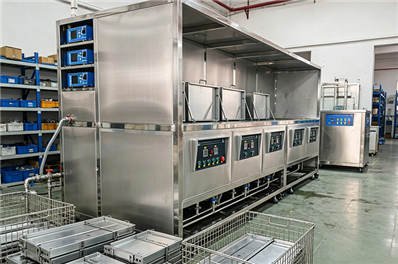 Ultrasonic Cleaning Machine: The Only Way to Eliminate Cutting Oil Sludge from Deep Grooves and Restore Plating Adhesion
For metal finishing shops and precision component manufacturers, few quality failures are as financially devastating as plating rejection caused by inadequate pre-cleaning.The scenario is painfully familiar. A batch of precision-machined components—hydrau
-
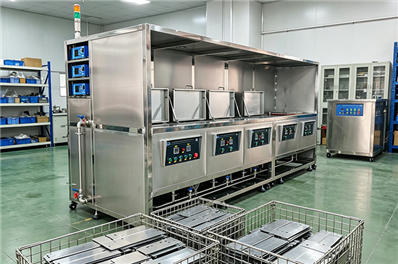 Ultrasonic Cleaning Machine: Breaking the Production Bottleneck When Piles of Oily, Chip-Covered Parts Stall Your Shop Floor
Walk into almost any machining workshop, and you will see the same scene: pallets stacked high with freshly machined parts, their surfaces glistening with cutting oil and clinging to metal chips, grinding dust, and microscopic debris. The parts are ready
-
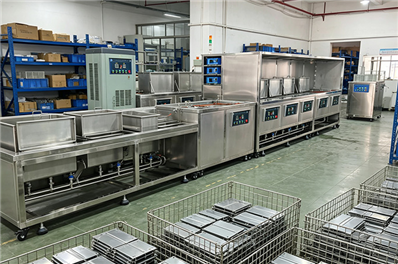 Ultrasonic Cleaning Machine: The Definitive Solution for Rust and Oil Contamination That Spray Cleaning Leaves Behind
In metal parts manufacturing and heavy equipment maintenance, few scenarios are as frustrating—and as costly—as the inspection failure that follows an inadequate cleaning process.The scenario plays out in workshops every day: a batch of precision metal co
-
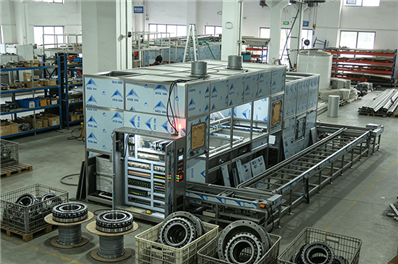 Ultrasonic Cleaning Machine: The Cost-Effective Solution for Mold Parts Cleaning
In the manufacturing industry, the cleaning of mold components—such as core pins, ejector pins, and intricate mold inserts—has long been a silent drain on production budgets. The costs are not limited to cleaning agents and labor; they extend to rejected
-
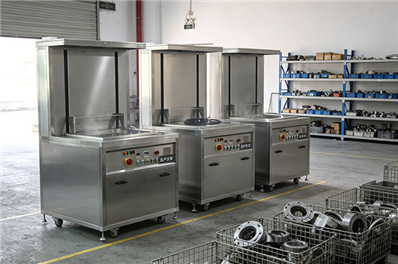 PCB Water Spots and White Residue After Cleaning? This Automated Ultrasonic Cleaner Saved Our Yield
For electronics manufacturers, few things are more frustrating than watching a batch of perfectly assembled PCBs emerge from the cleaning line covered in unsightly water spots and chalky white residues. The boards looked flawless before cleaning. Now they